Sciatica Treatment in Wandsworth
Sciatica has a way of taking over your life.
The burning line down the back of your leg. The pins and needles in your foot. The dread of sneezing. The nights spent searching for the one position that does not hurt. And the advice you have probably been given, rest, painkillers, it will settle, leaves you waiting rather than recovering.
Here is the first thing we want you to know: most sciatica responds well to the right treatment. And the right treatment starts with finding out which structure is actually irritating the nerve. That is what your first hour at Heal Therapy & Rehab in Wandsworth is for.
What sciatica actually is
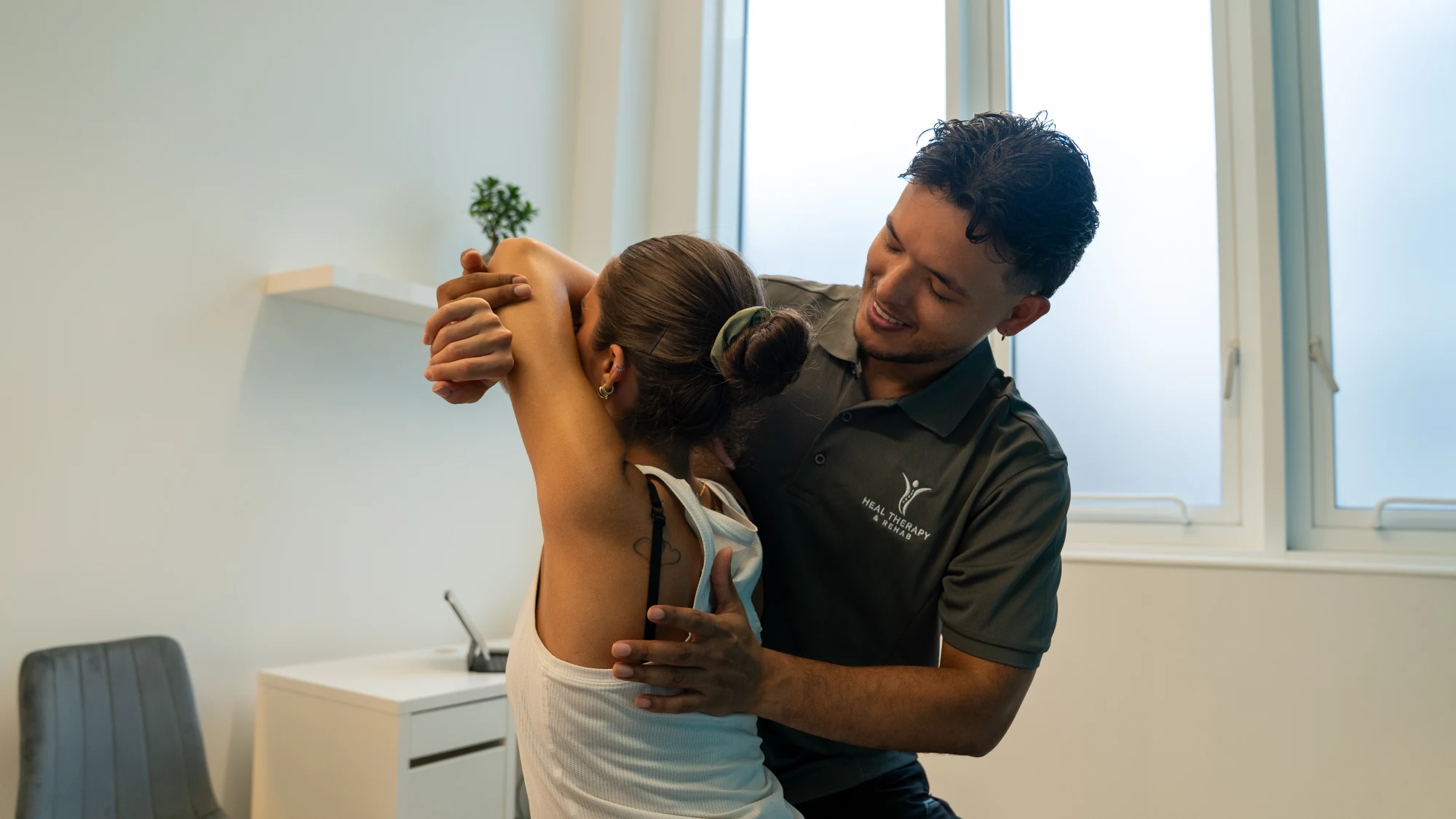
How we treat it
Most people notice a real difference within the first few sessions, with lasting change over 6 to 12 weeks as the strength work takes hold.
How long does sciatica take to recover?
Honest answer: most cases improve meaningfully within 2 to 6 weeks of the right treatment, with full recovery in 6 to 12. Severe disc related cases take longer, and a small minority need onward referral. We screen for the warning signs that matter at your first visit, and we will tell you straight if you are one of them.
Frequently Asked Questions
Keep moving, in the right ways. Complete rest usually slows recovery. We will show you which movements help and which to avoid for now.
Usually not. Imaging is for cases with specific warning signs or those not responding as expected, and we will recognise both.
Rarely. But sciatica with changes in bladder or bowel control, or numbness around the saddle area, needs emergency care rather than a clinic appointment. We screen for this at every assessment.
Manipulation helps many sciatica cases, but only when the assessment says it is the right tool. It is one option within the plan, never the whole plan.
Based in Wandsworth, Southwest London
A short walk from Wandsworth Town Station and Southside Shopping Centre. Easy access from Earlsfield, Clapham Junction, and surrounding areas.